Why Does My Mouth Get Dry on Stage?
The science behind dry mouth, sweaty hands and a racing heart.
Imagine you're backstage, waiting for your turn to perform.
You hear your name being announced.
Suddenly, your heart starts racing, your palms get sweaty and your mouth feels like the Sahara Desert.
Sound familiar?
If you've ever wondered why your body reacts this way before a performance, here's someone you can blame: your Sympathetic Nervous System!
My sympathetic what?!
Don't worry, let's break it down!
Our nervous system is constantly receiving information from inside and outside our bodies and responding to it.
It has two main parts:
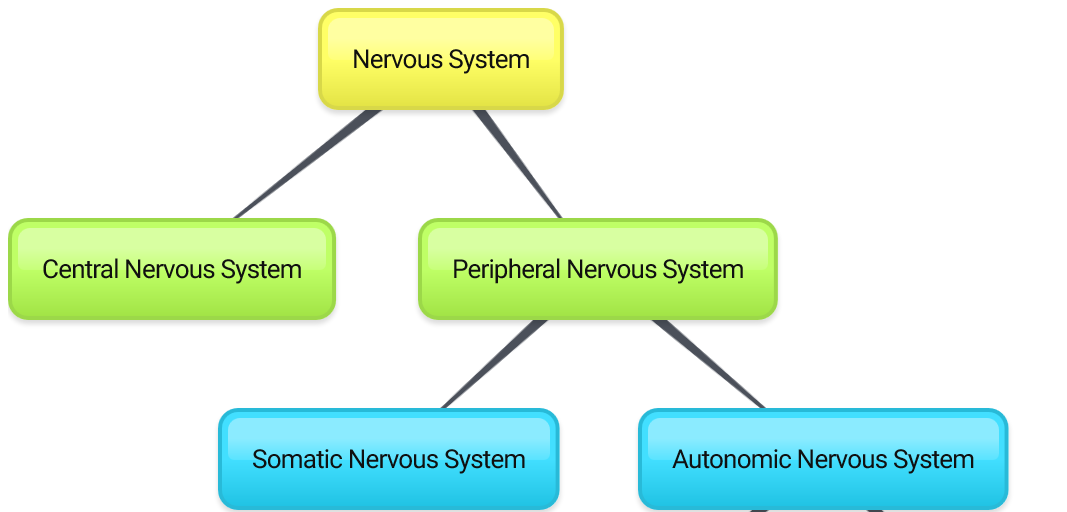
The Central Nervous System (CNS): the brain and spinal cord.
The Peripheral Nervous System (PNS): the nerves connecting the CNS to the rest of the body.
The Peripheral Nervous System is further divided into two main divisions:
The Somatic Division: controls voluntary movements and processes sensory information.
The Autonomic Division: regulates automatic body functions, such as heart rate, digestion and sweating.
And here's where things get interesting!
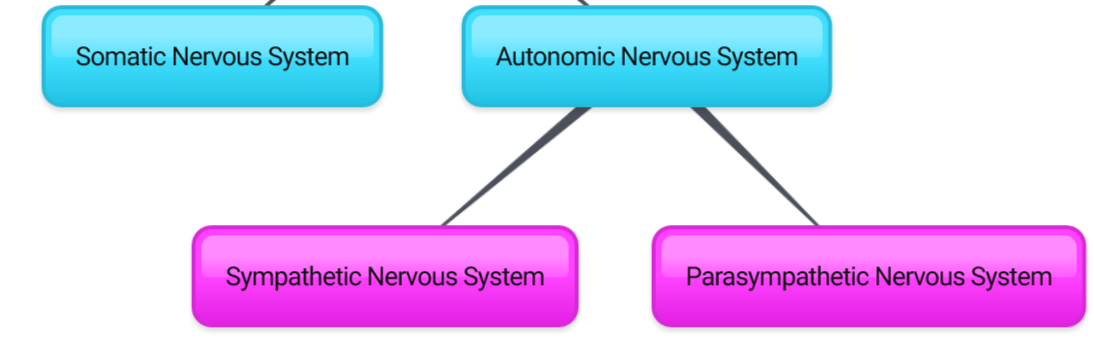
The Autonomic Division has two main branches:
The Parasympathetic Division: think of it as your "DO NOT DISTURB" mode. It helps your body relax, rest and recover.
The Sympathetic Division: this is your "ALERT! SOMETHING IS HAPPENING!" mode. It prepares your body to respond to a challenge or potential threat.
So, what happens when we step on stage?
When we perform, especially in situations where we feel nervous or under pressure, our Sympathetic Division can become very active.
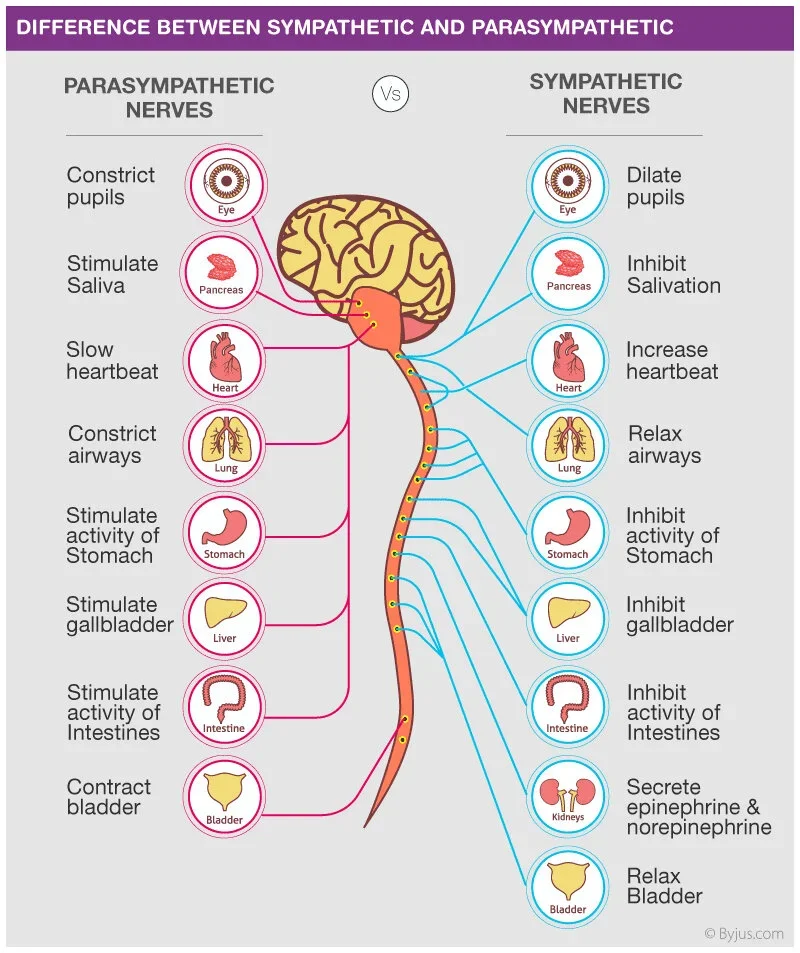
It triggers what's commonly known as the fight-or-flight response. Our body prepares to respond to a situation it perceives as challenging or stressful, even though all we're actually about to do is sing an aria!
This response can trigger several physical reactions, such as:
Dry mouth: saliva production can decrease, making it harder to keep your mouth comfortably moist.
Sweaty hands: your body increases sweat production as part of its stress response.
Increased heart rate: your heart beats faster to help deliver oxygen to your muscles.
Trembling: adrenaline and increased muscle activation can cause your hands, legs or even your voice to shake.
And here's the thing: although these reactions are completely normal, they can make singing much more difficult!
A dry mouth, a racing heart or a trembling voice are probably the last things you want when you're trying to deliver a beautiful performance.
Understanding what's happening inside your body is the first step towards learning how to manage these reactions, reduce their impact and feel more comfortable on stage.